
Epoxy Floors for Showrooms, Gyms and Retail Spaces
What are the pros and cons of an epoxy garage or basement floorcompared to paint, tiles, or polished concrete?
Choosing the Best Flooring for Your Garage or Basement in St. Louis
Homeowners in St. Louis often find that their concrete floors need attention, but they’re unsure whether epoxy, paint, tiles, or polished concrete is the best long-term solution. Seal Epoxy helps homeowners across the St. Louis metro select the right flooring system based on how they actually use their garage or basement.
What Makes Epoxy Flooring Different?
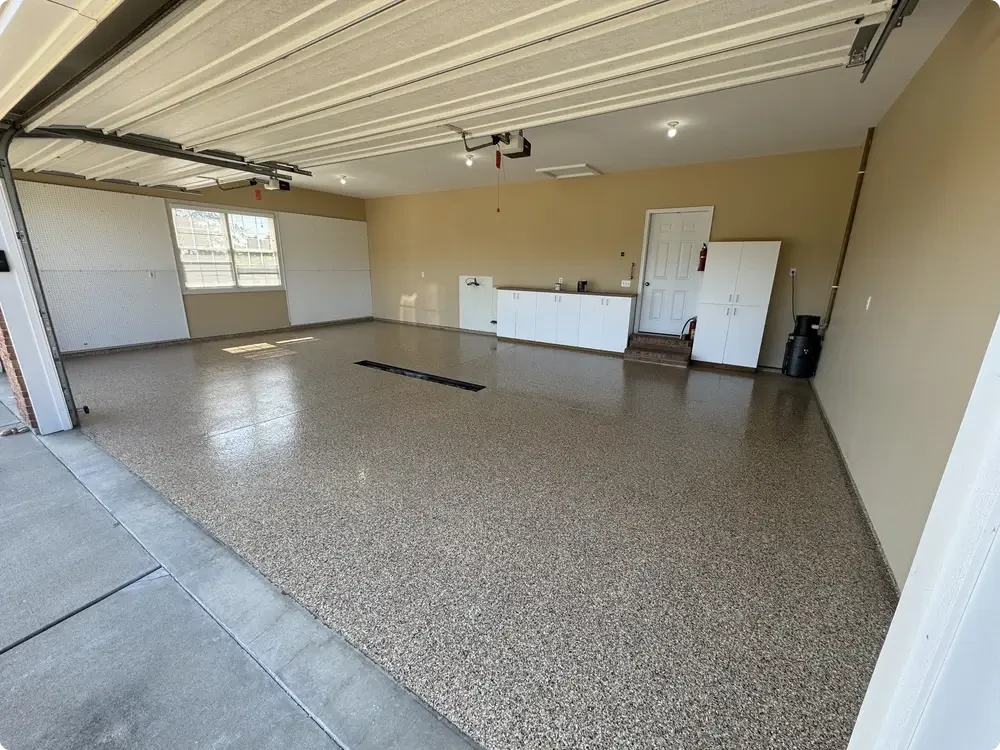
Epoxy is a resin-based coating that bonds directly to properly prepared concrete, creating a seamless, durable surface. Unlike garage paints, which are typically thinner acrylic or latex coatings that wear much faster, epoxy provides a long-lasting solution.
Garage paints sit on top of the concrete and wear down quickly, especially under hot tires and road salt. Tiles and polished concrete, on the other hand, act more like “floor finishes” than true chemical-resistant coatings. They also respond differently to moisture and impact compared to epoxy.
The Benefits of Epoxy Flooring for St. Louis Garages and Basements
Durability
A professional, high-solids epoxy system is much more durable than standard floor paint. It can withstand hot tires, road salt from winter, and dropped tools, making it an ideal choice for garages and basements.
Chemical and Stain Resistance
Epoxy makes it easy to wipe up oil, brake fluid, and household chemicals before they soak into the concrete. This is crucial in garages and workshop-style basements where spills are more likely.
Design Flexibility
Epoxy flooring offers a variety of decorative options, including decorative flakes, metallic finishes, and non-slip textures. This allows homeowners to match their flooring to the style of a finished basement or a high-end garage in neighborhoods like Clayton, Kirkwood, or Chesterfield.
Cons and Limitations of Epoxy Flooring
1. Surface Prep is Critical
For epoxy to last, proper surface preparation is essential. This includes grinding, crack repair, and moisture evaluation. Skipping these steps can result in peeling and bubbles.
2. Cure Time and Disruption
Depending on the system, it may take 24-72 hours before light foot traffic can occur, and several days before vehicles can drive on the floor.
3. Moisture Sensitivity
In areas of St. Louis with high groundwater or older basements, moisture pressure must be tested and addressed before applying an epoxy coating.
How Epoxy Compares to Paint, Tiles, and Polished Concrete
Paint:
Paint offers a lower upfront cost but has a much shorter lifespan. It’s more prone to lifting under hot tires and peeling where moisture seeps through the concrete.
Tiles:
Tiles can look great, but they often trap moisture and dirt between the seams. Individual tiles may crack or shift under heavy loads.
Polished Concrete:
Polished concrete is low maintenance and attractive but lacks the chemical and stain resistance and color options of epoxy. It’s also not as durable in high-traffic areas.
Why St. Louis Homeowners Choose Seal Epoxy
At Seal Epoxy, we specialize exclusively in residential epoxy systems, ensuring that our recommendations are based on what truly works in St. Louis basements and garages. Local factors like freeze-thaw cycles, de-icing salts, and neighborhood moisture patterns play a major role in how concrete is evaluated and which system is installed.
For most St. Louis homeowners, a professionally installed epoxy system provides the best balance of cost, durability, and appearance. Seal Epoxy offers in-home assessments throughout the metro area to compare options, test for moisture, and ensure the best solution for your concrete floors.
Tags :
Share This :
Have Any Question?
For more information about epoxy flooring systems for your garage or basement, feel free to reach out to us.