
Epoxy Floors for Showrooms, Gyms and Retail Spaces
Will you test the slab for moisture?
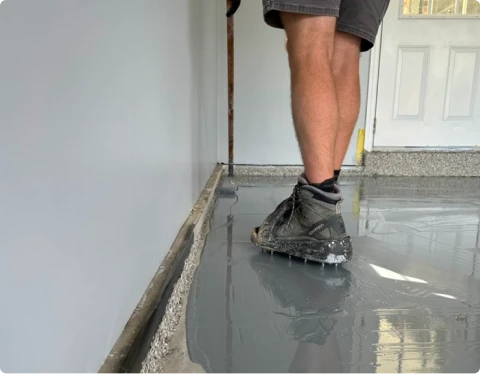
The Importance of Moisture Testing Before Epoxy Installation
Moisture testing is one of the most crucial steps in preparing for an epoxy floor, especially in St. Louis basements and older garages. Yet many contractors skip it, hoping moisture won’t be an issue. Unfortunately, this gamble often fails, leading to bubbling, peeling, and frustrated homeowners who paid for a floor that doesn’t last.
Why Moisture Testing Matters
Concrete slabs naturally allow moisture vapor to move up from the ground below. Here’s why this is important:
Newer Homes with Vapor Barriers:
In newer homes with vapor barriers, this moisture movement is minimal.Older Homes and High Water Tables:
In older homes without barriers, or in areas with high water tables, moisture transmission can be significant.
When you seal concrete with epoxy, that moisture has nowhere to go. Pressure builds up underneath the coating, and eventually, the epoxy delaminates. Testing before installation helps determine whether moisture levels are within acceptable limits or if mitigation is needed.
Basements Are Especially Vulnerable
St. Louis has many older homes near the Mississippi and Missouri rivers, where groundwater levels fluctuate, and foundations weren’t built with modern moisture protection. These conditions make basements more vulnerable to moisture issues.
Types of Moisture Tests
Calcium Chloride Tests
Calcium chloride tests measure the rate of moisture vapor emission over a set period, typically 60-72 hours. The results tell you how many pounds of moisture are coming through per square foot per day. Professional epoxy systems have maximum thresholds—if your slab exceeds them, you’ll need mitigation or a different coating.Moisture Meters
Moisture meters provide instant readings of moisture content within the concrete, helping identify problem areas quickly during inspections.
Reliable contractors use these tests routinely, especially for basements and garages in older neighborhoods. Skipping these tests is a shortcut that leads to callbacks.
How Seal Epoxy Tests and Documents Moisture
Seal Epoxy includes moisture testing in every basement project and in garage projects where age, location, or slab condition suggest potential issues.
Documented Results:
The tests are documented, providing you with objective data—not just the contractor’s opinion.If Moisture Levels Are Acceptable:
The project moves forward with confidence.If Moisture Levels Are High:
Seal Epoxy discusses options, such as:Moisture-mitigating primers
Alternative coating systems designed for damp conditions
Addressing the underlying water source before coating
This methodical approach is why Seal Epoxy’s floors don’t delaminate a year later. The team takes moisture seriously because they’ve seen what happens when it’s ignored.
Honest Answers Backed by Testing
St. Louis homeowners working with Seal Epoxy know they’re getting honest answers backed by testing. If your slab has moisture issues, you’ll know before money is spent on a coating that won’t last.
During free in-home assessments, Seal Epoxy explains when and why moisture testing is necessary and what the results mean for your project. With Seal Epoxy, you’re not paying for a system that’s doomed to fail.
Tags :
Share This :
Have Any Question?
For more information about epoxy flooring systems for your garage or basement, feel free to reach out to us.