
Epoxy Floors for Showrooms, Gyms and Retail Spaces
How do I know if my concrete is ready for epoxy?
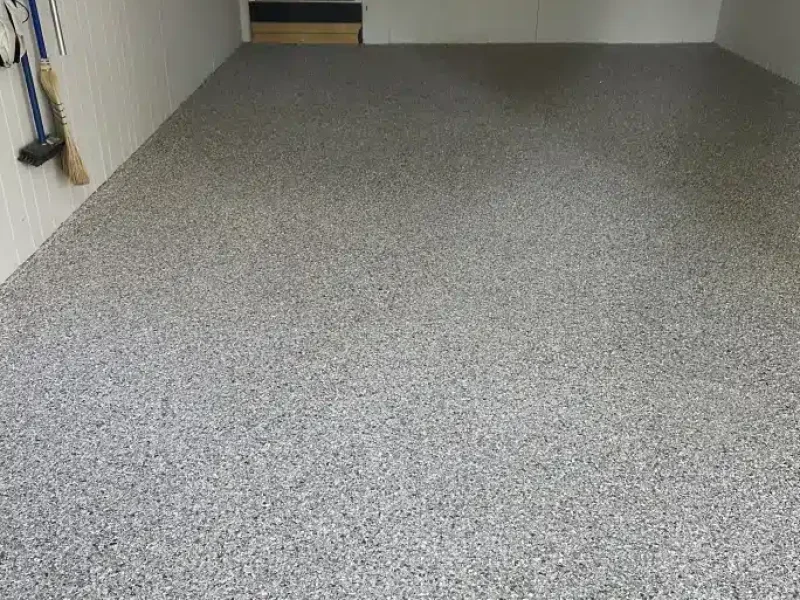
Is Your Concrete Ready for Epoxy? Here’s What to Look For
Before any epoxy goes down, the concrete slab itself needs to be in good enough condition to support a coating. St. Louis homeowners sometimes assume that any concrete is ready for epoxy, but structural issues, contamination, or surface damage can all prevent a successful installation. Here’s what to look for and what can be fixed.
Signs Your Concrete Might Not Be Ready
Spalling – Surface Flaking or Pitting
Spalling indicates that the top layer of concrete is weak or compromised. This often happens in older garages where freeze-thaw cycles and road salt have damaged the slab over time. Epoxy can’t bond to a deteriorating surface, so spalled areas need repair first.Large Cracks
Large cracks, especially active ones that move with temperature changes, should be evaluated carefully. Small hairline cracks can usually be filled as part of prep, but structural cracks might need more extensive repair or even replacement of sections.Contaminants (Oil Stains, Paint, Old Sealers, etc.)
Oil stains, paint, old sealers, and other contaminants block epoxy adhesion. These need to be removed through grinding or chemical treatment before coating.Excessive Moisture or Active Water Intrusion
Excessive moisture or active water intrusion is a deal-breaker until the source is addressed. Epoxy won’t stop water from coming through the slab—it will only trap it underneath, causing delamination.
What Seal Epoxy Can Repair Before Coating
Crack Filling and Minor Spall Repair
Most surface issues can be fixed as part of the installation process. Seal Epoxy includes crack filling and minor spall repair in their standard prep.Contaminated Concrete
Contaminated concrete is ground clean using commercial diamond equipment, which removes the affected layer and exposes fresh, bondable material underneath.Moisture Issues
The team tests for moisture levels first to determine whether mitigation is needed or if the slab is within acceptable limits for a standard epoxy system. If moisture is too high, they recommend addressing the source before moving forward. While it’s not what homeowners want to hear, this step prevents a failed floor.Structural Problems
Structural issues like severely damaged concrete or large moving cracks may require consultation with a concrete contractor before epoxy is feasible. Seal Epoxy is upfront about these situations, rather than coating over problems that will resurface later.
How Seal Epoxy Evaluates Slabs in St. Louis
Every Seal Epoxy project starts with an in-person slab evaluation. The team checks for:
Spalling
Cracks
Contamination
Moisture
They’re not just looking at whether epoxy can stick—they’re evaluating whether the slab will support a coating long-term without issues.
This thorough evaluation is part of Seal Epoxy’s standard process. St. Louis has a mix of newer constructions and older homes, so slab conditions can vary widely. Garages in neighborhoods like Webster Groves, Kirkwood, and South City often have decades-old concrete that needs attention before coating.
Transparency and No Surprises
Homeowners appreciate knowing upfront what’s needed for a successful installation. If repairs are required, Seal Epoxy explains exactly what’s involved, why it matters, and includes it in the quote. No surprises mid-project.
Free In-Home Assessments
If you’re unsure whether your concrete is in good enough shape for epoxy, Seal Epoxy offers free in-home assessments. This provides a clear, honest evaluation and a realistic plan for moving forward.
Tags :
Share This :
Have Any Question?
For more information about epoxy flooring systems for your garage or basement, feel free to reach out to us.