
Epoxy Floors for Showrooms, Gyms and Retail Spaces
How long do residential epoxy floors usually last?
January 10, 2026
Seal Epoxy Services,Epoxy Flooring Basics
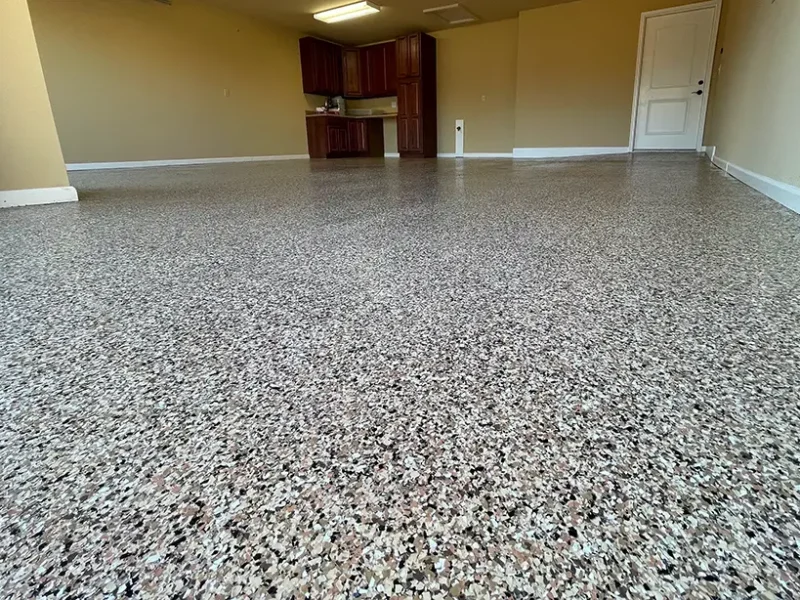
One of the first questions St. Louis homeowners ask about epoxy flooring is whether it’s worth the investment long-term. The good news is that a properly installed residential epoxy floor can last well over a decade, but the actual lifespan depends heavily on how it’s installed and how you use the space.
What Affects How Long Epoxy Lasts?
In a typical St. Louis garage, a professional epoxy system usually lasts 10 to 15 years or more with normal use. Basement floors often last even longer because they see less thermal stress and fewer heavy impacts. The key word here is “professional”—DIY kits and bargain installations rarely make it past three to five years before peeling or wearing through.
Several factors determine whether your floor hits that 15-year mark or starts failing in year two. Surface preparation is the biggest one. If the concrete isn’t ground clean and profiled correctly, even the best epoxy won’t bond properly. Moisture issues cut lifespan dramatically, especially in older St. Louis basements where groundwater can push coatings off from underneath.
What Shortens Epoxy Lifespan?
Hot tires are a common culprit in garages. Thin, low-quality epoxies literally get pulled up by tires that have been heated on summer roads.
UV exposure near open garage doors can yellow or fade certain resins over time.
Road salt and de-icing chemicals, which St. Louis sees plenty of each winter, will eat through weak coatings but have minimal effect on high-solids systems.
Daily wear matters too. If you’re running a woodworking shop in your garage or regularly dragging heavy equipment across the floor, you’ll see more surface scratching than a homeowner who just parks two sedans each night.
How Seal Epoxy Maximizes Floor Lifespan in St. Louis
Seal Epoxy’s installations are built to handle what St. Louis throws at them. That means diamond grinding every slab to create the mechanical bond epoxy needs, testing for moisture in basements and older garages, and using high-solids products that resist hot tire pickup and chemical damage.
The team also tailors each system to how you’ll actually use the space. A floor for a heated garage with daily winter parking gets a different resin spec than a climate-controlled basement gym. This kind of customization, combined with proper prep, is why Seal Epoxy’s floors routinely outlast the 10-year baseline.
If you’re tired of repainting your garage every few years or wondering whether epoxy is really permanent, Seal Epoxy offers free in-home assessments across the St. Louis metro. You’ll get an honest evaluation of your slab and a realistic timeline for how long your floor should last based on your specific situation.
Tags :
Share This :
Have Any Question?
For more information about epoxy flooring systems for your garage or basement, feel free to reach out to us.