
Epoxy Floors for Showrooms, Gyms and Retail Spaces
Does epoxy protect concrete from stains, salt, and chemicals?
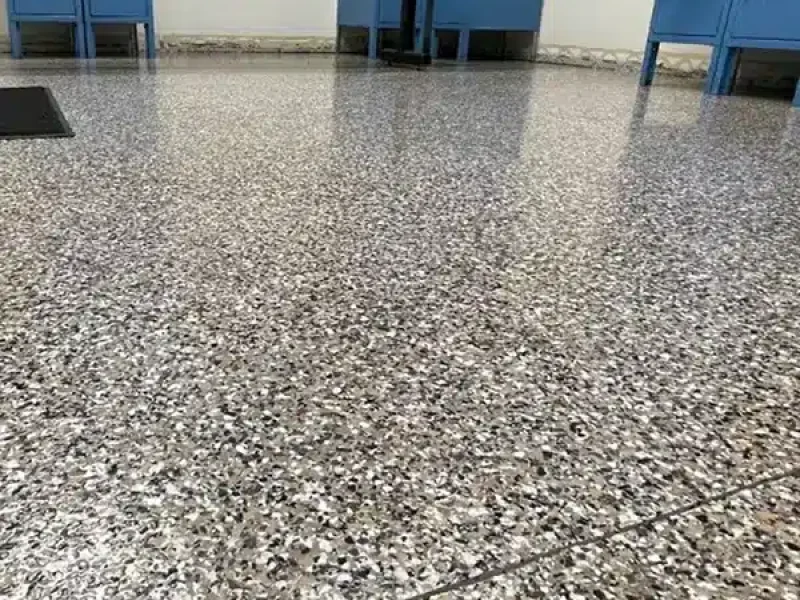
Concrete might look tough, but it’s actually porous and vulnerable to many of the common issues found in a typical St. Louis garage or basement. Oil stains, road salt, de-icing chemicals, and even plain water can damage uncoated slabs over time. Epoxy flooring acts as a protective barrier that makes concrete much more resistant to these everyday threats.
How Uncoated Concrete Gets Damaged
When you park your car in the garage after driving through winter slush, a mix of water, road salt, and de-icing chemicals drips onto the floor. Concrete absorbs this moisture, and the freeze-thaw cycle that follows can cause spalling, pitting, and surface deterioration. Over the years, the slab becomes rougher and weaker.
Oil and other automotive fluids are just as damaging. They soak into the concrete, leaving permanent stains and breaking down the surface. Even common household chemicals, like certain cleaners, can etch or discolor concrete if left sitting too long.
St. Louis garages experience a lot of this due to our weather. Snowy winters mean exposure to salt from November through March, while hot, humid summers result in more oil breakdown and staining from vehicles.
How Epoxy Creates a Protective Barrier
A properly installed epoxy coating seals the concrete surface, preventing liquids from soaking in. Oil, brake fluid, antifreeze, and other chemicals sit on top of the epoxy, where they can be wiped up before causing damage. Road salt and de-icer won’t penetrate, so the concrete underneath stays intact through freeze-thaw cycles.
High-quality epoxy systems are chemically resistant, meaning they won’t break down or discolor when exposed to the same fluids that would ruin bare concrete. This makes cleanup easier and extends the life of your slab significantly.
It’s important to note that not all epoxies are created equal. Thin, DIY coatings may offer some protection initially, but they wear through quickly under real-world conditions. Professional-grade, high-solids epoxy systems provide the durable chemical resistance St. Louis garages need.
How Seal Epoxy Protects Your Concrete Investment
Seal Epoxy’s systems are specifically designed to withstand the abuse St. Louis garages endure. The team uses high-solids epoxy products that stand up to road salt, oil, and chemicals without breaking down. Proper surface prep ensures the coating bonds permanently, so you won’t have to deal with peeling edges where moisture and salt can creep underneath.
Seal Epoxy also offers maintenance guidance so homeowners know how to keep their floors protected long-term. Simple habits like wiping up spills and hosing off winter grime go a long way when the coating itself is built to last.
If you’re tired of watching your garage floor deteriorate every winter, Seal Epoxy offers free assessments across the St. Louis metro to evaluate your concrete and recommend a protective system that fits your needs and budget.
Tags :
Share This :
Have Any Question?
For more information about epoxy flooring systems for your garage or basement, feel free to reach out to us.